
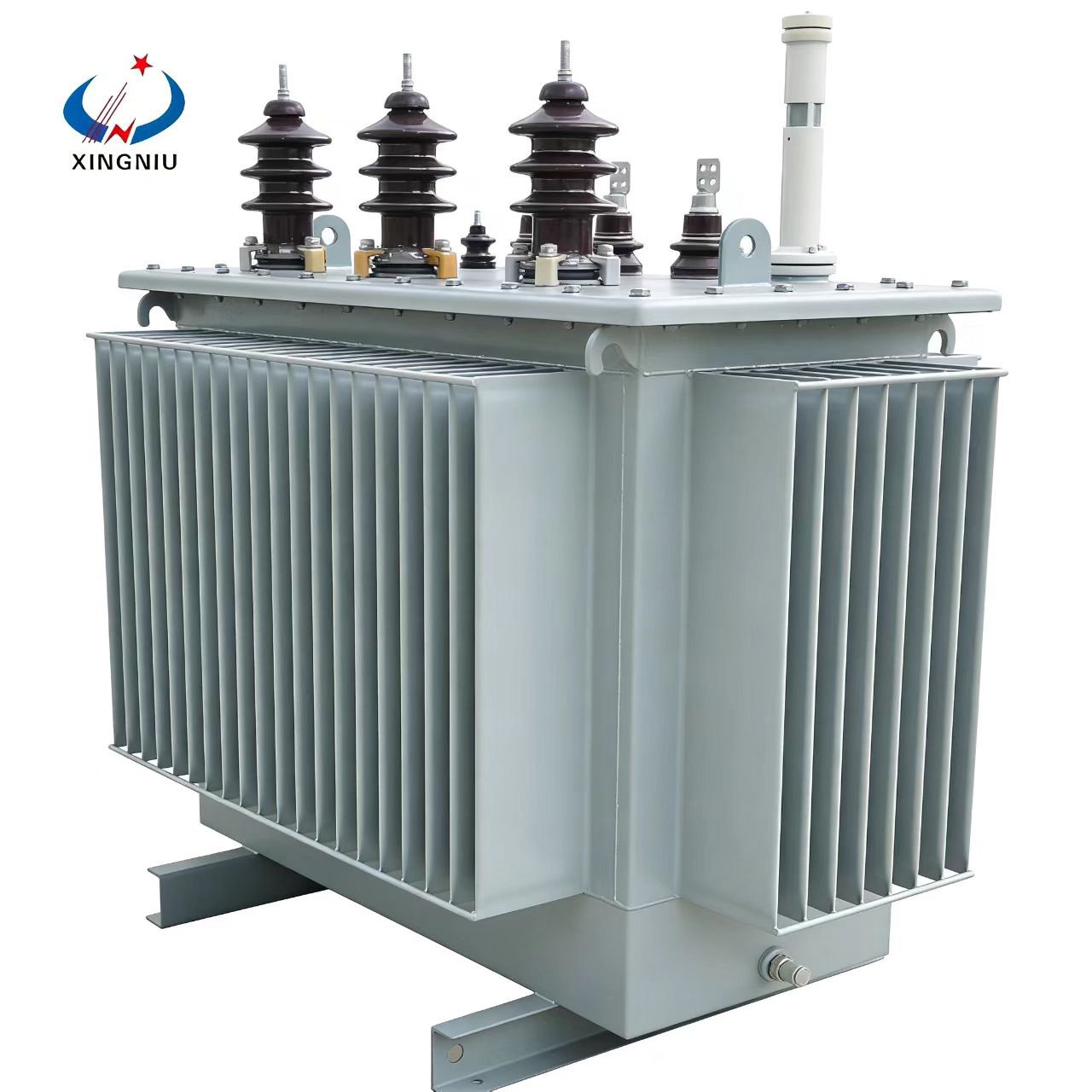
110kV Computing Power Transformer for Data Centers
A 110kV computing power transformer connects high-voltage utility power to the medium-voltage distribution system used by large digital infrastructure facilities. It is designed for high-capacity operation, efficient cooling and project-specific electrical requirements.
The
110kV Computing Power Transformer
is an oil-immersed transformer designed for AI computing centers, data centers, supercomputing clusters and other large power distribution projects. Its capacity, voltage ratio, impedance, cooling system and protection configuration can be customized according to project requirements.
What Is a 110kV Computing Power Transformer?
A 110kV computing power transformer is a high-voltage transformer that receives electricity from a 110kV power grid and converts it to the medium-voltage level required by a data center or computing facility.
Depending on the local distribution design, the secondary voltage may be configured for:
- 35kV distribution systems
- 20kV distribution systems
- 10kV distribution systems
- Other project-specific voltage levels
The transformer normally supplies downstream switchgear, distribution transformers, uninterruptible power supply systems, cooling equipment and other critical facility loads.
Unlike a standard commercial transformer, a transformer for a computing center must support high load density, continuous operation and strict power reliability requirements.
Why Data Centers Need Dedicated Power Transformers
Large data centers contain thousands of servers, storage systems, network devices and cooling units. These facilities may operate continuously throughout the year, creating several challenges for the power distribution system.
1. High Continuous Load
Computing centers normally maintain high power demand for long periods. The transformer must provide stable output under continuous or near-continuous loading.
2. Strict Reliability Requirements
Unexpected power interruptions can affect data processing, cloud services and business operations. The transformer must work together with backup generators, UPS systems and redundant distribution circuits.
3. Significant Heat Generation
High transformer loading generates considerable heat. An oil-immersed structure provides effective heat transfer and supports stable long-term operation when the cooling system is properly designed.
4. Rapid Capacity Expansion
AI and cloud computing projects frequently expand after the initial construction stage. Transformer capacity and distribution architecture should therefore consider future load growth rather than only the current demand.
5. Power Quality Requirements
Sensitive computing equipment may be affected by voltage fluctuation, harmonics and other power-quality issues. Transformer impedance and system configuration should be selected together with the overall electrical design.
Key Features of a 110kV Oil-Immersed Transformer
Oil-Immersed Cooling Structure
Transformer oil provides electrical insulation and heat dissipation. Heat generated by the windings and core is transferred through the oil to the radiators or external cooling equipment.
Common cooling arrangements include:
- ONAN: Oil Natural Air Natural
- ONAF: Oil Natural Air Forced
- OFAF: Oil Forced Air Forced
- Other project-specific cooling configurations
The cooling method should be selected according to transformer capacity, ambient temperature, load profile and installation conditions.
Project-Specific Capacity
There is no single transformer capacity suitable for every data center. Capacity should be calculated based on:
- IT equipment load
- Cooling-system load
- Lighting and auxiliary systems
- Required redundancy level
- Expected future expansion
- Permitted loading rate
- Backup power architecture
Large facilities may use multiple transformers instead of one large unit to improve redundancy and maintenance flexibility.
Custom Voltage Ratio
The transformer can be designed with a 110kV primary connection and a customized medium-voltage output. The final voltage ratio depends on the local grid, downstream switchgear and facility distribution system.
Monitoring and Protection
A computing-center transformer may include:
- Oil temperature indicators
- Winding temperature indicators
- Pressure-relief devices
- Buchholz relays
- Oil-level indicators
- Gas monitoring devices
- Online temperature monitoring
- Remote communication interfaces
- Current and voltage measurement devices
The final protection and monitoring configuration should follow the project specification and applicable electrical standards.
Typical Applications
AI Computing Centers
AI model training requires large numbers of high-performance processors operating simultaneously. These facilities can have significantly higher power density than conventional office data centers.
Cloud Data Centers
Cloud platforms require reliable electricity for servers, storage systems, network infrastructure, cooling systems and auxiliary equipment.
Supercomputing Clusters
Supercomputing centers operate large groups of processors for scientific research, engineering simulation, weather analysis and industrial applications.
Internet Data Centers
Telecommunications operators, cloud providers and digital-service companies use internet data centers to host network equipment and business systems.
Industrial Computing Facilities
Large manufacturing, energy and research organizations may construct private computing centers for automation, simulation, artificial intelligence and data processing.
Important Specifications to Confirm
Electrical Parameters
Buyers should confirm the following electrical parameters:
- Rated primary voltage
- Rated secondary voltage
- Rated transformer capacity
- Rated frequency
- Phase configuration
- Vector group
- Short-circuit impedance
- Insulation level
- Tap-changing range
- No-load loss and load loss
Load Characteristics
Provide detailed information about:
- Maximum operating load
- Average operating load
- Expected load fluctuations
- Harmonic content
- Motor and cooling loads
- Redundancy configuration
- Planned future expansion
Installation Environment
The transformer manufacturer should be informed of:
- Indoor or outdoor installation
- Maximum and minimum ambient temperature
- Installation altitude
- Humidity conditions
- Pollution level
- Seismic requirements
- Available installation space
- Noise restrictions
Cooling Requirements
The cooling system must match the transformer capacity and operating environment. Buyers should confirm whether natural cooling is sufficient or whether forced-air or forced-oil cooling is required.
Applicable Standards
The technical agreement should identify the required national or international standards. Requirements may vary according to the destination country, utility company and project consultant.
Accessories and Interface Requirements
Confirm all required accessories and interfaces, including:
- High-voltage and low-voltage bushings
- Cable boxes
- Neutral grounding equipment
- Control cabinets
- Monitoring instruments
- Communication protocols
- Oil preservation systems
- Protection relays
- Terminal arrangement
How to Select the Correct Transformer
Step 1: Calculate the Total Facility Load
Combine the IT equipment load, cooling load, auxiliary systems and expected expansion. Avoid selecting transformer capacity based only on the current server demand.
Step 2: Define the Redundancy Strategy
Data centers may use N, N+1, 2N or other redundancy structures. Transformer quantity and capacity should support the selected architecture.
Step 3: Confirm the Grid Connection
Verify the available utility voltage, short-circuit capacity, grounding method and connection requirements with the local power-grid operator.
Step 4: Select the Secondary Distribution Voltage
Choose the medium-voltage output according to the downstream switchgear, distribution transformers and overall site design.
Step 5: Evaluate Losses and Efficiency
Transformer losses affect long-term operating costs. Compare no-load loss, load loss and expected annual operating conditions rather than evaluating only the initial purchase price.
Step 6: Confirm Cooling and Environmental Conditions
High ambient temperature, high altitude and restricted airflow may reduce cooling performance. These factors must be included in the transformer design.
Step 7: Finalize Protection and Monitoring
Specify all required sensors, alarms, communication interfaces and remote monitoring functions before production begins.
Available Customization Options
A project-specific 110kV transformer may be customized in the following areas:
- Primary and secondary voltage
- Rated transformer capacity
- Tap-changing range
- Vector group
- Short-circuit impedance
- Cooling method
- Radiator arrangement
- Protection devices
- Monitoring instruments
- Terminal orientation
- Control cabinet configuration
- Applicable technical standards
- Export packaging
- Technical documentation
For additional product details, visit the
110kV Computing Power Transformer product page
.
Information Needed for a Quotation
To receive an accurate technical proposal and quotation, prepare the following information:
- Rated capacity in MVA
- Primary voltage
- Secondary voltage
- Rated frequency
- Number of phases
- Required vector group
- Required impedance
- Tap-changing requirements
- Cooling method
- Installation altitude
- Ambient temperature range
- Indoor or outdoor installation
- Required technical standards
- Accessories and monitoring requirements
- Destination country
- Required quantity
- Expected delivery schedule
Providing a single-line diagram and complete technical specification can significantly improve the accuracy of the transformer design and quotation.
Frequently Asked Questions
What is a 110kV computing power transformer?
It is a high-voltage transformer that converts electricity from a 110kV grid to the medium-voltage level required by a data center, AI computing center or supercomputing facility.
Why are oil-immersed transformers used for data centers?
Transformer oil provides electrical insulation and efficient heat transfer, making oil-immersed transformers suitable for high-capacity applications and continuous operation.
Can the secondary voltage be customized?
Yes. The secondary voltage can be designed according to the project’s medium-voltage distribution system, grid requirements and downstream equipment.
How should transformer capacity be selected?
Capacity should be selected according to the IT load, cooling load, auxiliary consumption, redundancy strategy, permitted loading rate and expected future expansion.
Can the cooling method be customized?
Yes. The cooling arrangement can be selected according to rated capacity, ambient conditions, loading profile and project requirements.
What projects can use this transformer?
Typical applications include AI computing centers, cloud data centers, supercomputing clusters, telecommunications facilities and other large digital infrastructure projects.
What information is required for a quotation?
Buyers should provide capacity, voltage ratio, frequency, impedance, cooling method, installation conditions, applicable standards, accessories and destination country.
Can monitoring devices be included?
Yes. Temperature monitoring, oil-level monitoring, pressure protection, remote communication and other monitoring devices can be included according to the technical specification.
Is the transformer suitable for continuous operation?
It can be designed for continuous high-load operation. However, the final capacity, cooling system and permissible loading conditions must be confirmed during engineering design.
Can export packaging and documentation be provided?
Yes. Export packaging, drawings, test reports, operation manuals and project documentation can be prepared according to the contract and destination requirements.
Conclusion
A 110kV computing power transformer is a critical component in the electrical infrastructure of large AI and data-center projects. Correct selection requires more than choosing a voltage and rated capacity. Buyers must also evaluate redundancy, load characteristics, cooling, impedance, protection, monitoring and future expansion.
For a project-specific solution, review the
110kV Computing Power Transformer for Data Centers
and submit your voltage, capacity, installation conditions and technical requirements for evaluation.
