
Oil-Immersed On-Load Tap Changer Transformer: Applications and Selection Guide
Maintaining stable voltage is essential for substations, industrial plants, renewable-energy projects and public power-distribution systems. However, grid voltage may change as demand, generation conditions and transmission loads fluctuate.
An oil immersed on load tap changer transformer provides a practical solution by adjusting the transformer voltage ratio while the equipment remains energized. This allows the power system to regulate output voltage without interrupting the connected load.
The oil-immersed on-load tap changer transformer
is designed for medium- and high-voltage power-distribution projects. Voltage level, rated capacity, cooling method, protection devices, monitoring functions and applicable standards can be configured according to individual project requirements.
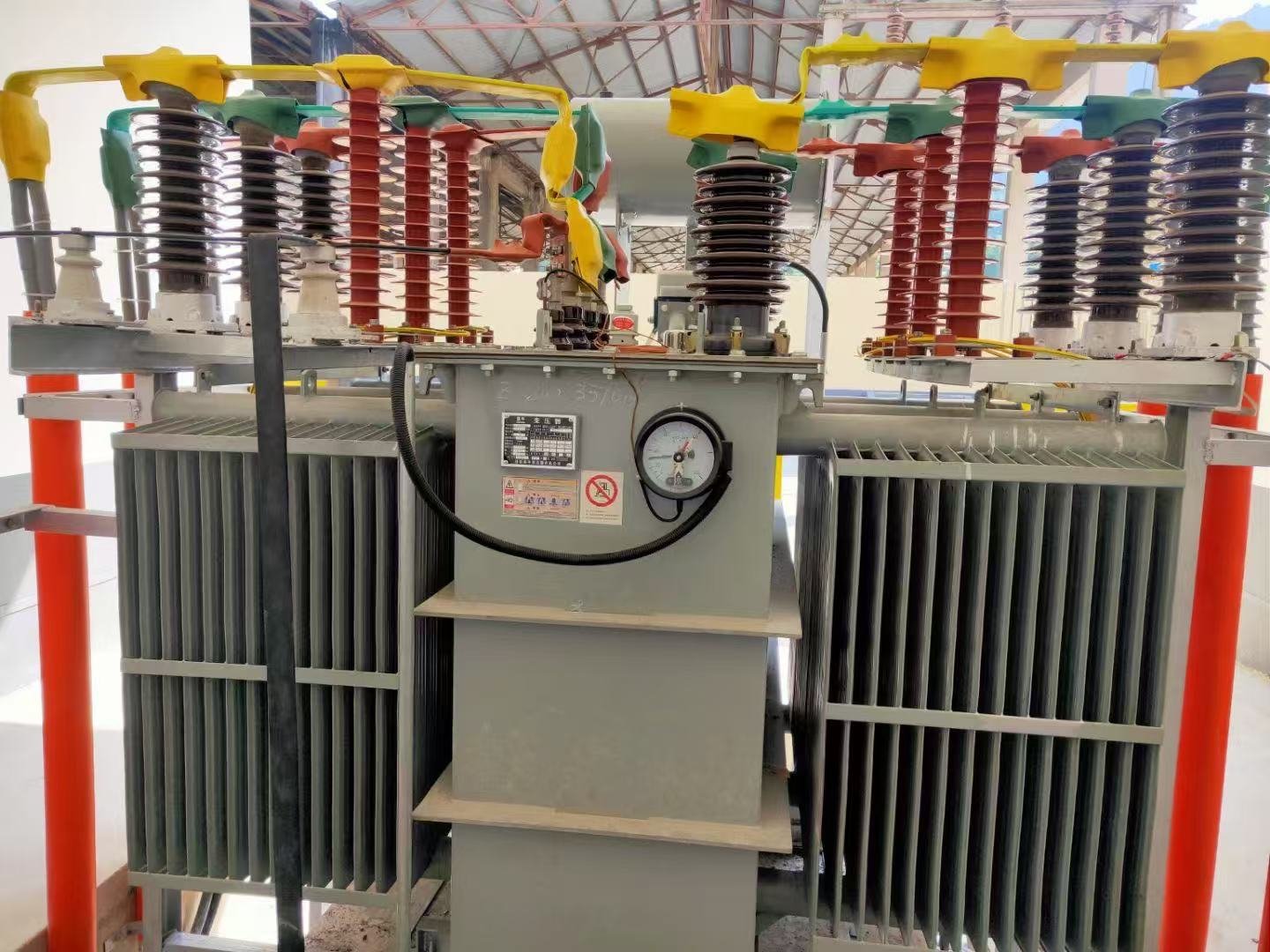
oil-immersed-on-load-tap-changer-transformer-guide
What Is an Oil-Immersed On-Load Tap Changer Transformer?
An oil-immersed on-load tap changer transformer is a power transformer equipped with an on-load tap changer, commonly abbreviated as OLTC.
The tap changer adjusts the effective number of winding turns and changes the transformer voltage ratio. Unlike an off-circuit tap changer, an OLTC can perform this adjustment while the transformer remains connected to the electrical system and carries load.
This function helps the transformer:
- Maintain a more stable secondary voltage
- Compensate for fluctuations in the incoming grid voltage
- Respond to changing system load conditions
- Reduce disruption to industrial and utility operations
- Support automatic voltage-regulation systems
How Does an On-Load Tap Changer Work?
A power transformer normally contains several tap positions on one of its windings. Each tap corresponds to a slightly different turns ratio and therefore a different output voltage.
When the voltage-regulation system detects that the output voltage is outside the required range, the OLTC moves from one tap position to another. The switching process is designed to avoid interrupting current flow and to limit short-circuit current between adjacent taps.
A typical regulation process includes:
- The voltage-monitoring system measures the transformer output.
- The controller compares the measured voltage with the target value.
- A raise or lower command is sent to the tap changer.
- The OLTC changes to the next appropriate tap position.
- The output voltage is measured again and further adjustment is made if required.
Depending on the project, operation may be automatic, remote-controlled or manually initiated through the transformer control cabinet.
Main Advantages of an OLTC Transformer
Voltage Regulation Without Power Interruption
The main advantage of an on-load tap changer is its ability to regulate voltage without disconnecting the transformer from the power system. This is particularly important for continuous industrial processes, public grids and critical infrastructure.
Improved Power-Supply Stability
Voltage fluctuations can affect electrical equipment, production lines, motors, control systems and sensitive loads. Automatic tap adjustment helps keep the delivered voltage within the required operating range.
Suitable for Changing Load Conditions
Electrical demand can vary throughout the day or between production cycles. An OLTC transformer can respond to these changes and help maintain the required distribution voltage.
Better Support for Grid Operation
Utility networks may experience voltage changes caused by transmission distance, renewable-energy generation, load concentration or network switching. On-load voltage regulation provides greater flexibility for grid operators.
Reduced Operational Disruption
Because voltage adjustment does not require a shutdown, maintenance teams do not need to interrupt normal operations simply to change the transformer tap position.
Why Use an Oil-Immersed Design?
Oil-immersed power transformers use insulating oil around the core and windings. The oil performs two essential functions:
- Electrical insulation: it supports insulation between energized components.
- Heat dissipation: it transfers heat from the core and windings to the tank and radiator system.
This structure is widely used in medium- and high-voltage substations because it supports large transformer capacities, effective cooling and reliable long-term operation when correctly designed and maintained.
Typical Voltage and Capacity Options
The transformer can be configured for different voltage levels according to the project grid and distribution architecture.
Typical primary or system voltage options may include:
- 10kV
- 35kV
- 66kV
- 110kV
- Other customized voltage levels
Rated capacity is selected according to load demand, installation environment, redundancy requirements, expected expansion and system-design conditions.
Instead of choosing capacity only from the present load, engineering buyers should consider:
- Maximum operating demand
- Average load profile
- Motor starting and fluctuating loads
- Future project expansion
- Required operating reserve
- Parallel transformer operation
- Ambient temperature and altitude
Typical Applications
Grid Substations
OLTC transformers are commonly used in hub substations, regional substations and public distribution networks where secondary voltage must remain stable as the grid load changes.
Urban and Rural Grid Upgrades
During grid modernization, on-load voltage regulation can help improve voltage quality in areas with long distribution distances, seasonal load variation or rapidly increasing electricity demand.
Industrial Power Systems
Factories with continuous production lines often require stable electricity and cannot frequently disconnect their transformers for tap adjustment.
Typical industrial applications include:
- Steel plants
- Rolling and hot-rolling production lines
- Chemical facilities
- Cement plants
- Large manufacturing plants
- Mining and mineral-processing projects
Mining Operations
Open-pit mines and underground mining systems may contain electric shovels, drainage pumps, lifting systems, crushers and other large electrical loads. An OLTC transformer can help manage changing load conditions and maintain the required voltage.
Solar Power Stations
Centralized photovoltaic power stations may experience output variation throughout the day. A suitable voltage-regulating transformer can support grid connection and voltage management within the overall substation design.
Wind Farm Booster Stations
Wind generation changes according to weather conditions. On-load tap regulation may be used as part of the voltage-control strategy in wind-farm grid-connection and booster substations.
Important Technical Parameters
Before ordering an oil immersed on load tap changer transformer, buyers should prepare a complete technical specification.
Rated Voltage
Confirm:
- Primary voltage
- Secondary voltage
- Highest system voltage
- Insulation level
- System grounding method
Rated Capacity
The capacity should be based on load calculation, operating reserve, expansion plans and permissible loading conditions.
Tap Range and Tap Steps
Specify:
- Total regulation range
- Number of tap positions
- Voltage percentage per step
- Neutral tap position
- Automatic or manual control requirements
Vector Group
The vector group must match the system grounding, phase displacement and parallel-operation requirements of the project.
Short-Circuit Impedance
Transformer impedance affects short-circuit current, voltage regulation and load sharing during parallel operation. It should be coordinated with the overall electrical system.
Cooling Method
Common oil-immersed transformer cooling methods include:
- ONAN: Oil Natural Air Natural
- ONAF: Oil Natural Air Forced
- OFAF: Oil Forced Air Forced
- Other engineered cooling configurations
Frequency
The transformer should be designed for the required grid frequency, commonly 50Hz or 60Hz.
Protection and Monitoring Options
An OLTC power transformer may be equipped with protection and monitoring devices according to project requirements.
Available options may include:
- Buchholz relay
- Pressure-relief device
- Oil-level indicator
- Oil temperature indicator
- Winding temperature indicator
- Tap-position indicator
- OLTC motor-drive mechanism
- Remote tap-control interface
- Automatic voltage-regulating controller
- Current and voltage monitoring
- Online oil and gas monitoring
- Alarm and trip contacts
- Remote communication interface
Customization Options
A project-specific transformer can be customized in the following areas:
- Rated voltage and capacity
- Voltage ratio and tap range
- Tap-step quantity
- Vector group
- Short-circuit impedance
- Rated frequency
- Cooling method
- Radiator arrangement
- Terminal and bushing orientation
- Control cabinet configuration
- Monitoring and protection devices
- Applicable national or international standards
- Noise and environmental requirements
- Export packaging
- Technical drawings and documentation
Visit the
oil-immersed on-load tap changer transformer product page
for additional product information and project customization support.
How to Select the Correct OLTC Transformer
Step 1: Confirm the Grid Conditions
Identify the incoming voltage, expected voltage variation, system frequency, grounding method and short-circuit level.
Step 2: Calculate the Load
Calculate the present and future load, including continuous demand, peak demand, motor starting, fluctuating loads and planned expansion.
Step 3: Define the Required Regulation Range
Determine how much the voltage may fluctuate and establish the required tap-changing range and step size.
Step 4: Select the Cooling Method
Choose the cooling arrangement according to transformer capacity, ambient conditions, installation altitude and expected loading profile.
Step 5: Confirm Protection and Control
Specify local and remote control, automatic voltage regulation, alarm signals, monitoring devices and communication protocols.
Step 6: Review Applicable Standards
Confirm all utility, engineering-consultant, destination-country and project-specific standards before production.
Step 7: Evaluate Long-Term Operating Cost
Compare transformer losses, cooling-energy consumption, maintenance requirements and expected service conditions rather than evaluating purchase price alone.
Information Required for a Quotation
To obtain an accurate technical proposal and quotation, provide:
- Rated capacity
- Primary voltage
- Secondary voltage
- Rated frequency
- Number of phases
- Vector group
- Short-circuit impedance
- Tap range and tap positions
- Required cooling method
- Installation altitude
- Ambient temperature range
- Indoor or outdoor installation
- Protection and monitoring requirements
- Required technical standards
- Terminal arrangement
- Destination country
- Required quantity
- Expected delivery schedule
A single-line diagram, equipment specification and load information can help the manufacturer prepare a more accurate transformer design.
Frequently Asked Questions
What is the main advantage of an OLTC transformer?
It can adjust the transformer voltage ratio while the equipment remains energized, helping regulate output voltage without interrupting the connected load.
What is the difference between OLTC and off-circuit tap changing?
An OLTC changes taps while the transformer is carrying load. An off-circuit tap changer normally requires the transformer to be disconnected and de-energized before adjustment.
Where is an oil-immersed OLTC transformer used?
Typical applications include grid substations, industrial plants, mining systems, urban and rural distribution networks, solar power stations and wind-farm booster substations.
Can the voltage and capacity be customized?
Yes. Voltage ratio, rated capacity, tap range, vector group, impedance, cooling method and accessories can be configured according to the project.
Can the transformer regulate voltage automatically?
Yes. It can be equipped with an automatic voltage-regulating controller that monitors output voltage and sends raise or lower commands to the OLTC.
Can the tap changer be controlled remotely?
Remote tap-position monitoring and remote raise or lower control can be configured according to the control and communication requirements.
What maintenance does an OLTC require?
Maintenance requirements depend on the OLTC design, switching frequency, operating current and manufacturer instructions. Periodic inspection of the mechanism, contacts and insulating oil may be required.
Which cooling methods are available?
Typical options include ONAN, ONAF and other customized cooling arrangements selected according to capacity and operating conditions.
Can technical drawings be provided?
Yes. Outline drawings, technical data, terminal arrangements and project documentation can be prepared after the specifications are confirmed.
What information should buyers provide?
Buyers should provide capacity, voltage ratio, tap range, vector group, impedance, frequency, cooling method, installation conditions, required standards and accessories.
Conclusion
An oil immersed on load tap changer transformer is suitable for electrical systems that require continuous power and stable voltage under changing grid or load conditions.
The correct transformer should be selected according to rated capacity, voltage ratio, tap range, impedance, cooling, installation environment, protection and control requirements. A complete technical specification helps ensure reliable operation and accurate project quotation.
For a customized solution, review the
oil-immersed on-load tap changer transformer
and submit your electrical parameters, installation conditions, quantity and project documentation for technical evaluation.
