
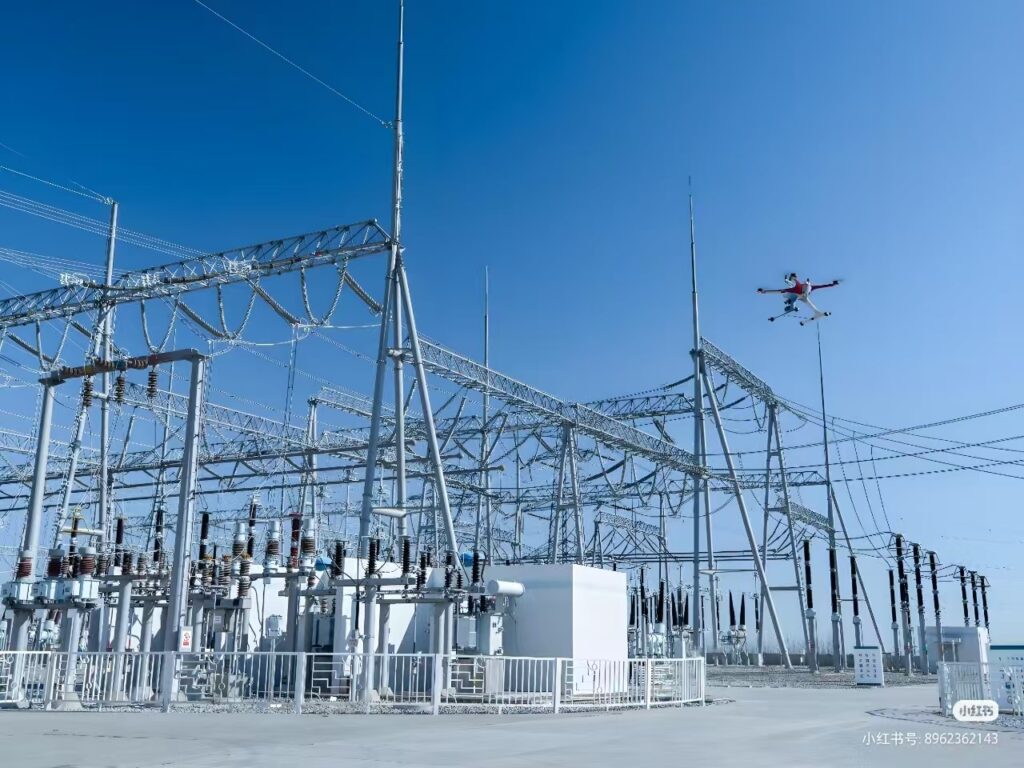
- What are the conditions for parallel operation of transformers?
Answer: Transformers in parallel operation must the following three conditions:
(1) All transformers in parallel operation have the same turns ratio;
(2) All transformers in parallel operation have the same-circuit voltage;
(3) All transformers in parallel operation have the same winding connection group;
- What are the consequences of unequal turns ratio parallel operation of transformers?
Answer: When transformers are operated in parallel with different turns ratios, the secondary side voltages of the transformers are not equal, and an current is produced in the closed loop of the winding, the direction of the equilibrium current in the secondary winding depends on the high and low of the secondary output voltage, flowing from the with a higher output voltage to the transformer with a lower output voltage. This current, in addition to increasing the transformer loss, when the transformer is loaded, the equilibrium current is super on the load current. The transformer with equilibrium current in the same direction as the load current has an increased load; the transformer with equilibrium current in the opposite direction to the load has a reduced load.
- What are the consequences of unequal short-circuit voltage in parallel operation of transformers?
Answer: Transformers that operate parallel according to the three conditions of transformer parallel operation can make full use of their capacity. When the short-circuit voltages of all transformers in parallel operation are equal, the of the complex power of each transformer is proportional to the capacity of the transformer, and the total capacity of each transformer is the utilization rate of the total transformer capacity that they can bear100%; if the short-circuit voltages of each transformer are not equal, the distribution of the complex power of each transformer is inversely proportional to the short-circ voltage of the transformer, and the transformer with a smaller short-circuit voltage is prone to overloading, and the capacity of the transformer cannot be reasonably utilized.
4 What are the consequences of different connection groups in parallel operation of transformers?
Answer: When transformers with different connection groups are operated in parallel, a voltage difference U2 will be generated in the secondary side circuit due to the different voltages of the transformer’s various secondary sides, since the total phase difference in transformer connections is a multiple of30°, so the value of ΔU2 is very large. For example, when the phase angle difference between the secondary sides of the parallel transformers is 3°, the ΔU2 value is 51.76% of the rated voltage, if the short-circuit voltage Uk = 5.5%, then equilibrium current can reach 4.7 times the rated current, which may cause the transformer to burn out.
A larger phase difference produces a larger equilibrium current, which is allowed. Therefore, transformers with different groups cannot operate in parallel.