
Description
EV Charging Station Transformer
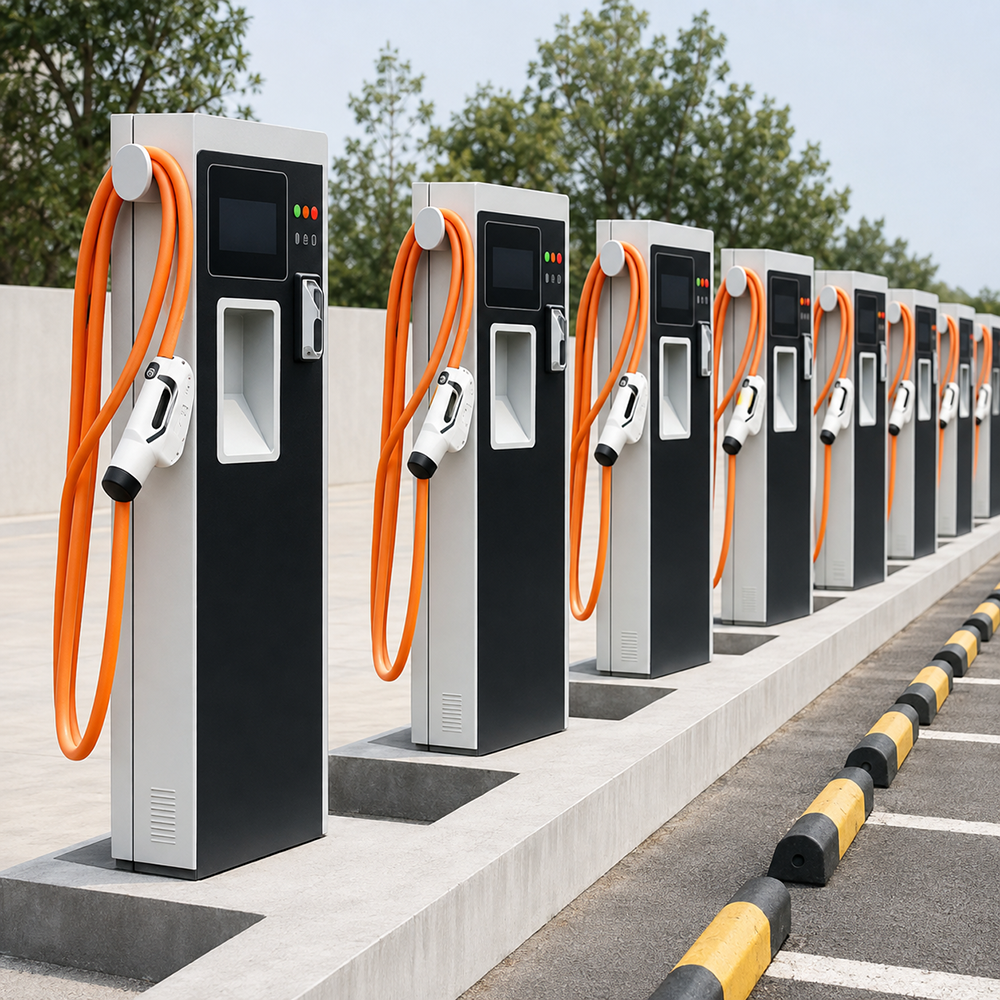
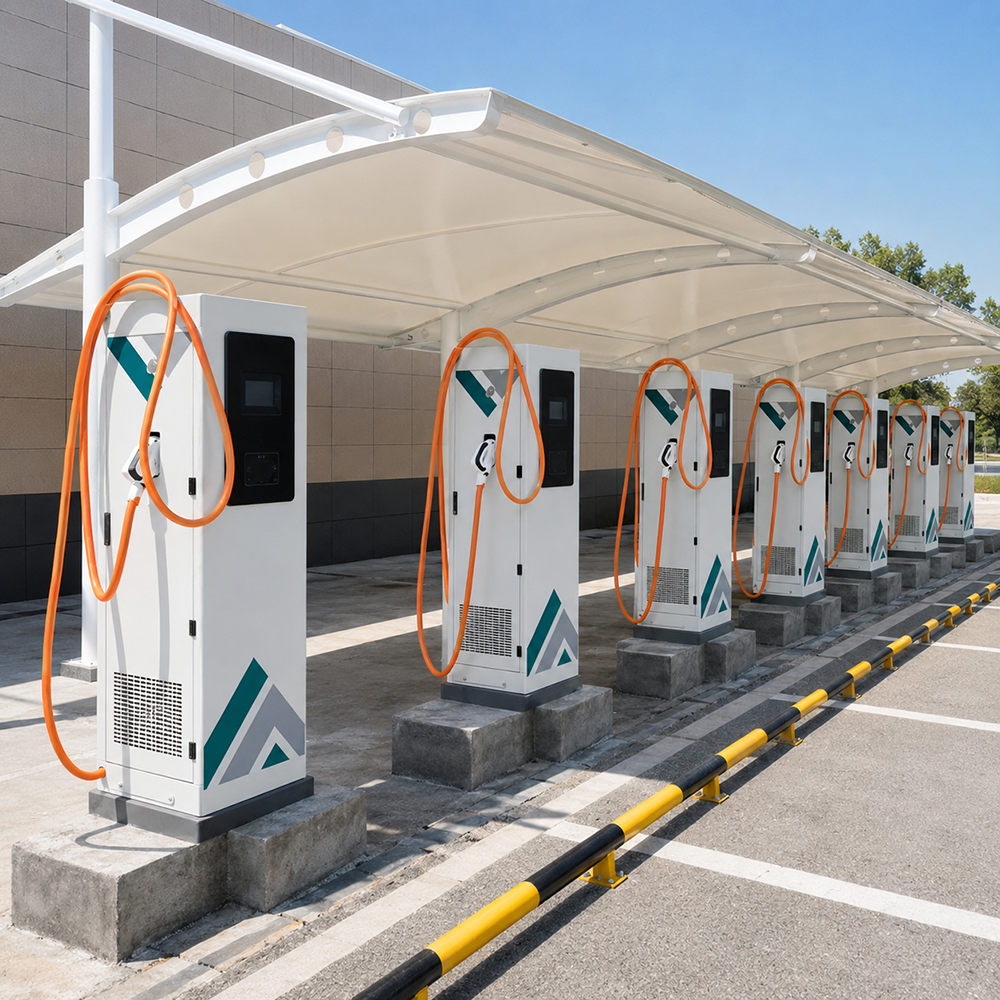
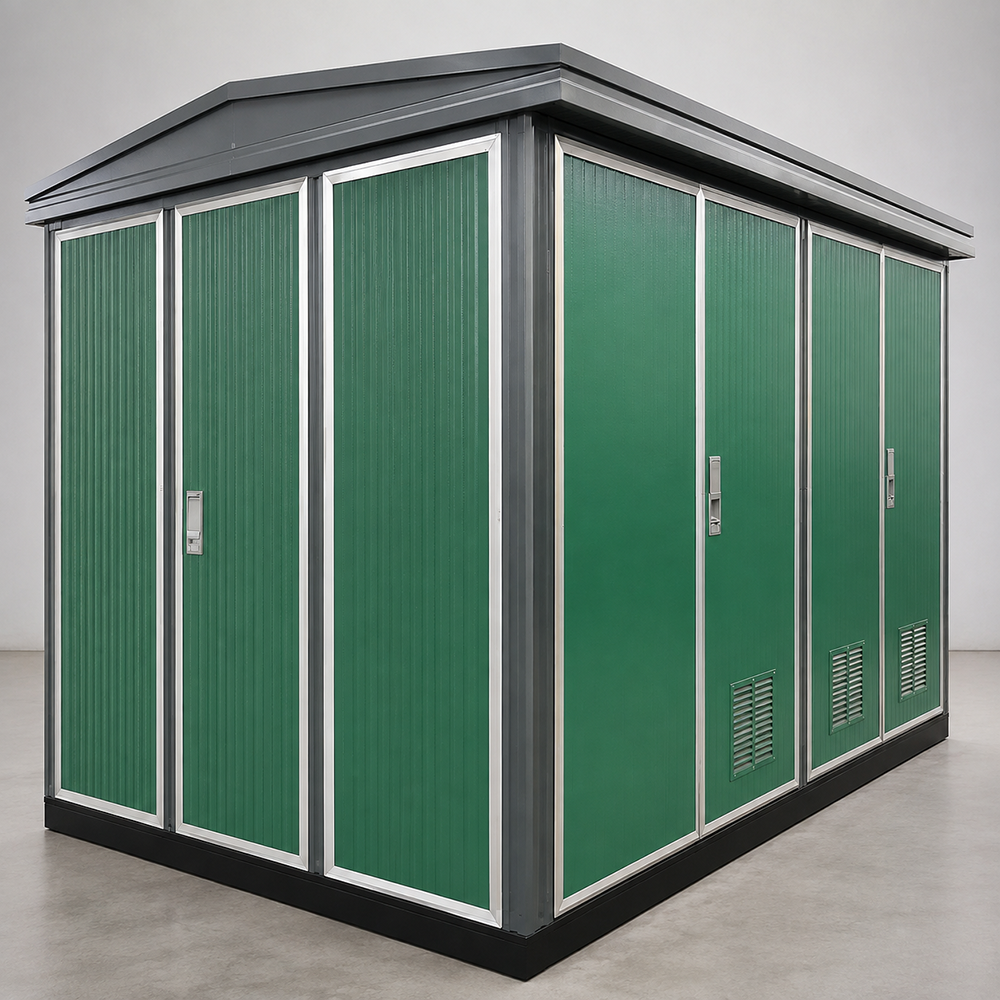
The EV Charging Station Transformer is designed for electric vehicle charging infrastructure, including DC fast charging stations, AC charging areas, commercial parking lots, highway service areas, shopping centers, residential communities and fleet charging depots. It provides stable power conversion for charging piles and can be configured as an oil-immersed transformer, dry-type transformer or compact box-type substation according to site requirements.
For charging projects, transformer capacity should be selected according to total charger output power, charging efficiency, line loss, reactive power loss and simultaneous utilization factor. Xingniu can provide customized transformer selection support for new EV charging stations and power expansion projects.
Key Features
- Designed for EV charging stations with multiple AC or DC chargers operating at the same site.
- Supports oil-immersed transformer, dry-type transformer and box-type substation configurations.
- Capacity can be calculated according to charger power, system efficiency and simultaneity factor.
- Stable insulation and temperature-rise design for long operating hours in commercial charging projects.
- Suitable for new charging station construction, parking lot power distribution and transformer capacity expansion.
- Custom voltage, enclosure, protection level and low-voltage outgoing cabinet layout are available.
Technical Data
| Product Type | EV charging station transformer / charging pile transformer |
|---|---|
| Application | EV charging station, DC fast charger site, AC charging area, parking lot and fleet depot |
| Transformer Options | Oil-immersed transformer, dry-type transformer, compact box-type substation |
| Rated Capacity | Customized according to total charging load; common project references include 250kVA, 400kVA, 630kVA, 800kVA, 1000kVA and above |
| Primary Voltage | 10kV / 35kV or customized according to local grid connection |
| Low Voltage Output | 0.4kV or customized |
| Rated Frequency | 50Hz / 60Hz |
| Cooling Method | ONAN for oil-immersed type; AN / AF for dry-type design |
| Installation | Indoor, outdoor or prefabricated substation layout |
| Customization | Capacity, voltage ratio, enclosure, protection level, metering, compensation and low-voltage cabinet layout |
Capacity Selection Reference
A practical transformer capacity estimate for EV charging projects can be calculated as:
| Formula | Total charging load = total charger output power / charging efficiency / line and reactive loss factor x simultaneity factor |
|---|---|
| Charging Efficiency Reference | 0.90 |
| Line and Reactive Loss Factor | 0.90, or 0.85 for a more conservative calculation |
| Example 1 | 3 x 60kW DC chargers + 2 x 7kW AC chargers: estimated load is about 240kVA, so at least 250kVA remaining transformer capacity is recommended. |
| Example 2 | 6 x 120kW DC chargers with simultaneity factor: estimated load is about 756kVA, so at least 800kVA remaining transformer capacity is recommended. |
Application Scope
- DC fast charging stations
- Commercial EV charging parking lots
- Highway service area charging stations
- Residential community charging areas
- Bus, logistics and fleet charging depots
- Shopping mall, hotel and office building charging projects
Project Configuration Options
- Transformer only, for projects with existing switchgear and civil foundation
- Transformer with high-voltage and low-voltage cabinets
- Prefabricated box-type substation for integrated outdoor installation
- Reactive power compensation and metering configuration
- Oil-immersed or dry-type transformer selection according to site safety and installation requirements
FAQ
How do I choose the transformer capacity for an EV charging station?
Capacity is selected according to total charger output power, charging efficiency, line loss, reactive power loss and simultaneous utilization factor. For example, a charging station with an estimated load near 756kVA should normally reserve at least 800kVA transformer capacity.
Can this transformer be used with DC fast chargers?
Yes. It can be used for DC fast charging stations, AC charging areas and mixed charging sites. The transformer and low-voltage distribution layout can be designed according to charger quantity and rated power.
Should I choose an oil-immersed or dry-type transformer?
Oil-immersed transformers are often used for outdoor substations and larger capacity projects. Dry-type transformers are commonly selected for indoor locations or sites with stricter fire safety requirements.
Can you provide a complete box-type substation for charging stations?
Yes. The solution can include transformer, high-voltage cabinet, low-voltage cabinet, metering, protection, compensation and enclosure design for an integrated EV charging substation.